
Leak investigation
Relate interior symptoms to roof planes, valleys, flashings and penetrations while recording that water can travel from the entry point.
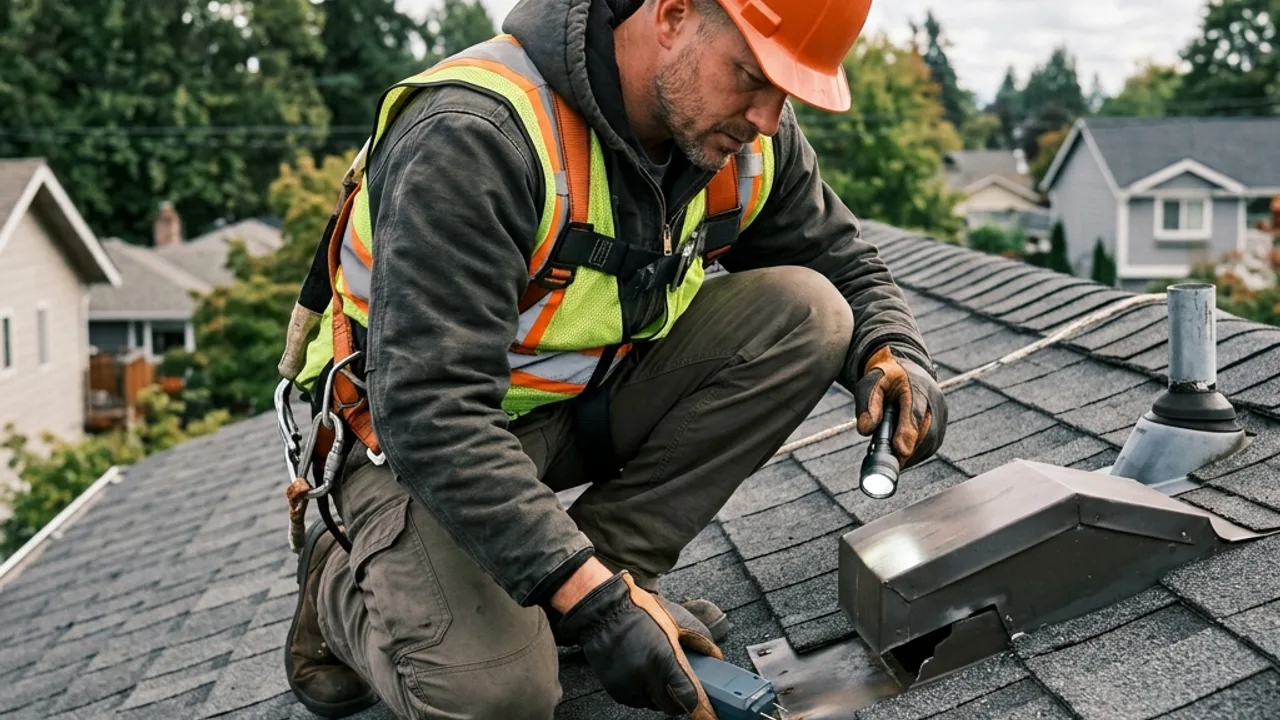
Tampa roof condition and scope guidance
An inspection should turn roof observations into an understandable condition record. It cannot reveal every concealed layer, but it can separate visible evidence, limitations and the next decision.
Roof inspection is useful when the homeowner has a symptom without a clear cause, conflicting recommendations, a recent storm, a planned property decision or a roof approaching another repair threshold. The first contact should identify why the inspection is needed because a leak investigation, broad condition assessment and documentation review do not ask exactly the same questions. Share any interior stains, dates, prior repairs, warranties and reports before the inspection begins.
The inspector should distinguish what was observed from what could not be accessed or confirmed. Roof pitch, wet conditions, equipment, attic access and concealed assemblies can limit certainty. A clear report names those limits instead of turning them into confident conclusions. When work is recommended, the report should point to the finding that supports repair, monitoring, further testing or replacement review.
What belongs in the work
The inspection scope should match the decision and record both exterior and available interior evidence.
Relate interior symptoms to roof planes, valleys, flashings and penetrations while recording that water can travel from the entry point.
Document covering wear, displacement, fastener or surface concerns, drainage, sealants and visible edge details without assigning unseen causes.
Record wind, debris or water-entry observations with dates and safe images while keeping coverage decisions outside the roofing conclusion.
Use the findings to test whether a proposed repair or replacement addresses the recorded condition and stated limitations.
Decision framework
A report is most useful when each recommendation can be traced to evidence and translated into a comparable work item.
Look for location-specific notes and images rather than one broad statement that the roof is good or bad.
Identify inaccessible slopes, concealed layers, wet surfaces or attic areas that prevented a complete view and may need another method.
Separate monitoring, maintenance, repair, specialist review and replacement so the homeowner can choose the appropriate next step.
Define whether the visit addresses a leak, storm event, maintenance decision, purchase question or proposed scope.
Provide symptom timing, prior work, product information and any previous report that can focus the observations.
Capture safe exterior and available interior evidence, noting locations, limitations and conditions on the day.
Connect each recommended action to the observation and obtain a separate written work scope where repairs are proposed.
A photograph is stronger when it has a location, observation, limitation and decision attached to it.
A leak inspection does not silently become a whole-roof sales review, and a broad assessment does not ignore the reported symptom.
The report states what could not be seen and avoids presenting concealed conditions as verified facts.
Repair priorities, monitoring items and further investigation are separated so estimates can address the right items.
Wind-driven rain, intense sun and repeated wetting can produce different observations on the same roof, so the event history matters. Record whether water appeared during a particular storm direction, whether debris struck one slope or whether a condition has progressed over several seasons. The timing helps frame the inspection but does not by itself prove cause, failure or insurance coverage.
If the inspection supports contracted work, verify the contracting party through Florida DBPR and confirm the permit position for the property jurisdiction. Inspection notes can inform the work, but the final agreement still needs materials, methods, exclusions, allowances and responsibilities in writing.
Also compare Storm Damage Roofing and Asphalt Shingle Roofing if the scope changes.
Use these questions with the roof inspection findings and written scope. Document covering, flashing, penetrations, drainage, visible deck or attic evidence and storm-related concerns.
Choose the neighborhood for property and jurisdiction prompts that can focus a Tampa roof inspection request.
Roof Inspection enquiry
Put the roof inspection findings and scope questions in writing
Share the Tampa property, roof condition and the decision you need clarified before accepting a roof inspection scope.